
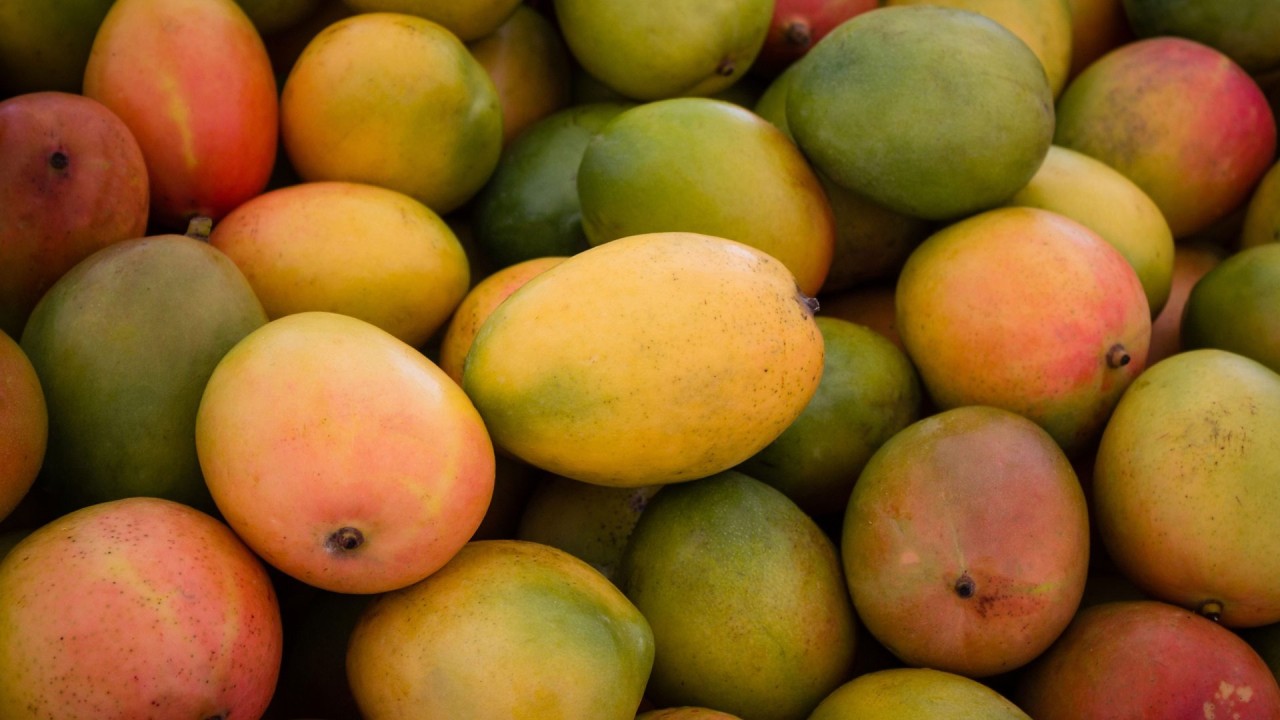
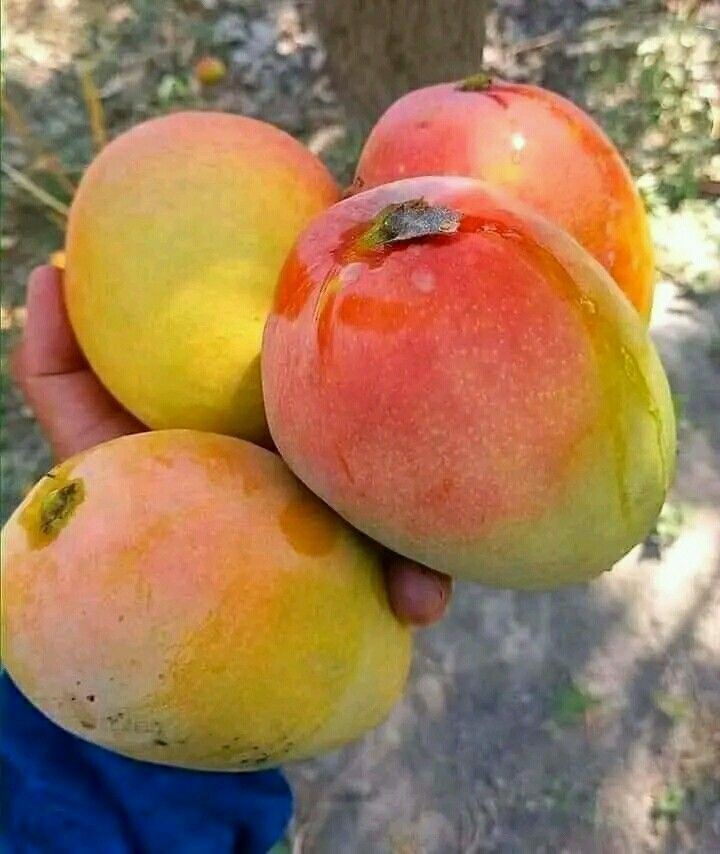
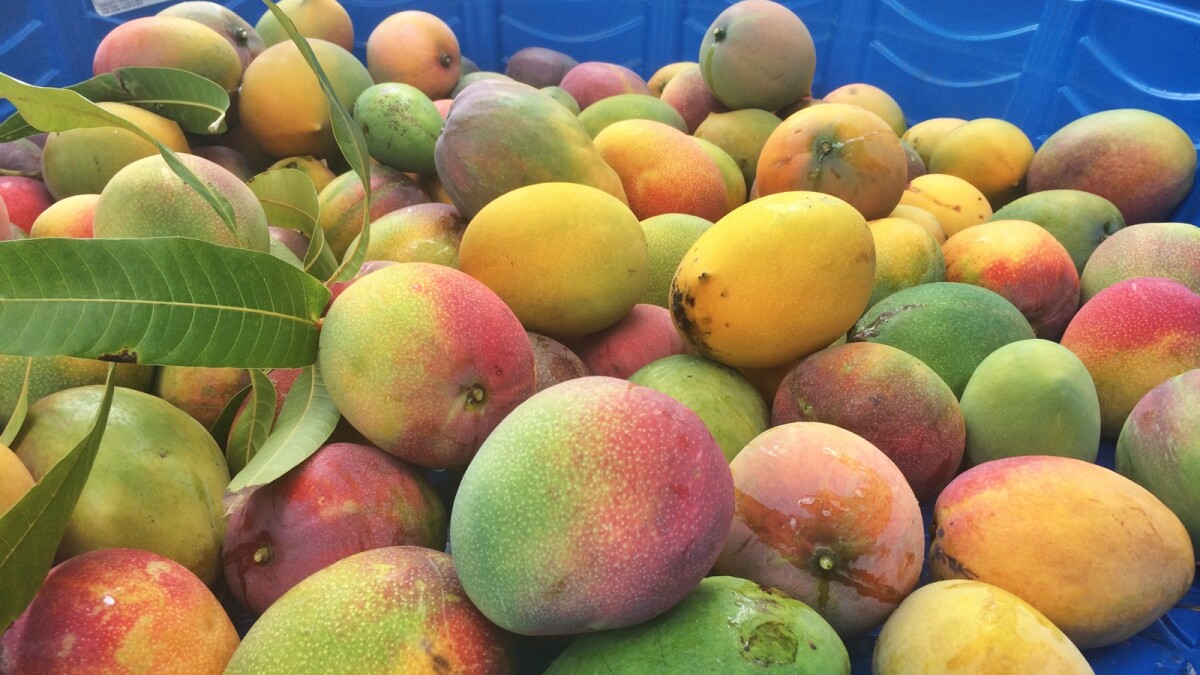
Fresh Mangoes For Export
Our Mango (Mangifera indica) is a Mangoes are native to South Asia but have been distributed worldwide especially in the tropics. Mangoes vary in Shape,size,taste, skin colour and the colour of the flesh as per the different varieties
Description
Mangoes have a deep taproot with wide spread feeder roots and anchor roots. Trees may grow up to 90ft tall but grafting has been used to develop dwarf trees that start bearing early. Mangoes produce simple leaves and remain evergreen. Young leaves appear pink in colour changing to dark glossy red and dark green when mature. Flowers are produced in terminal panicles with each small flower having 5 petals. Fruits have single flat oblong pit that is fibrous or hairy.
Ecological Conditions Suitable for Mango Farming
For proper growth,development and good bearing, mangoes require the following climatic conditions:
Temperatures
Mango do best on average annual temperature of between 15 to 30 degrees Celsius.
Rainfall
Annual rainfall of 850 to 1000 mm is sufficient for mango cultivation. It should be noted that rainfall during flowering season reduces fruit setting. After the plant is well established it can tolerate drought especially when its tap root reaches the water table.
Soils
Mango plants are adapted to many soil types but prefer deep(at least 3m) soils that are fertile and well drained with optimum PH of 5.5 to 7.5.
Areas Suitable for Mango Farming in Kenya
Mango Faming does well in low land to upper midland areas. Most suitable areas in Kenya include coastal areas, Murang’a, Thika,Taveta, Lower Embu, Machakos, Makueni and Kitui.
Mango Varieties
There are two types of mango varieties grown in Kenya i.e. the local and the exotic varieties. Exotic mangoes are grafted on the local varieties. Local mango varieties grown in Kenya include
- Dodo,
- Boribo,and
- Batawi.
While the exotic varieties include
- Apple,
- Tommy and
- Kent, among others.
Related products
-
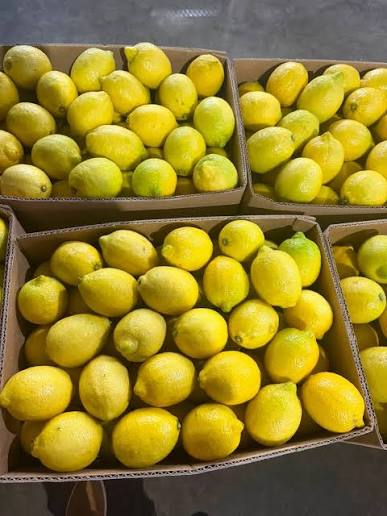
Kenya Fresh Lemon
Kenya’s fresh lemon export market centers on key destinations like the United Arab Emirates and Rwanda, with production forecasted near 39,770 metric tons. Export shipments operate under strict quality and handling guidelines -
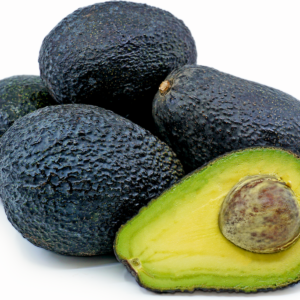
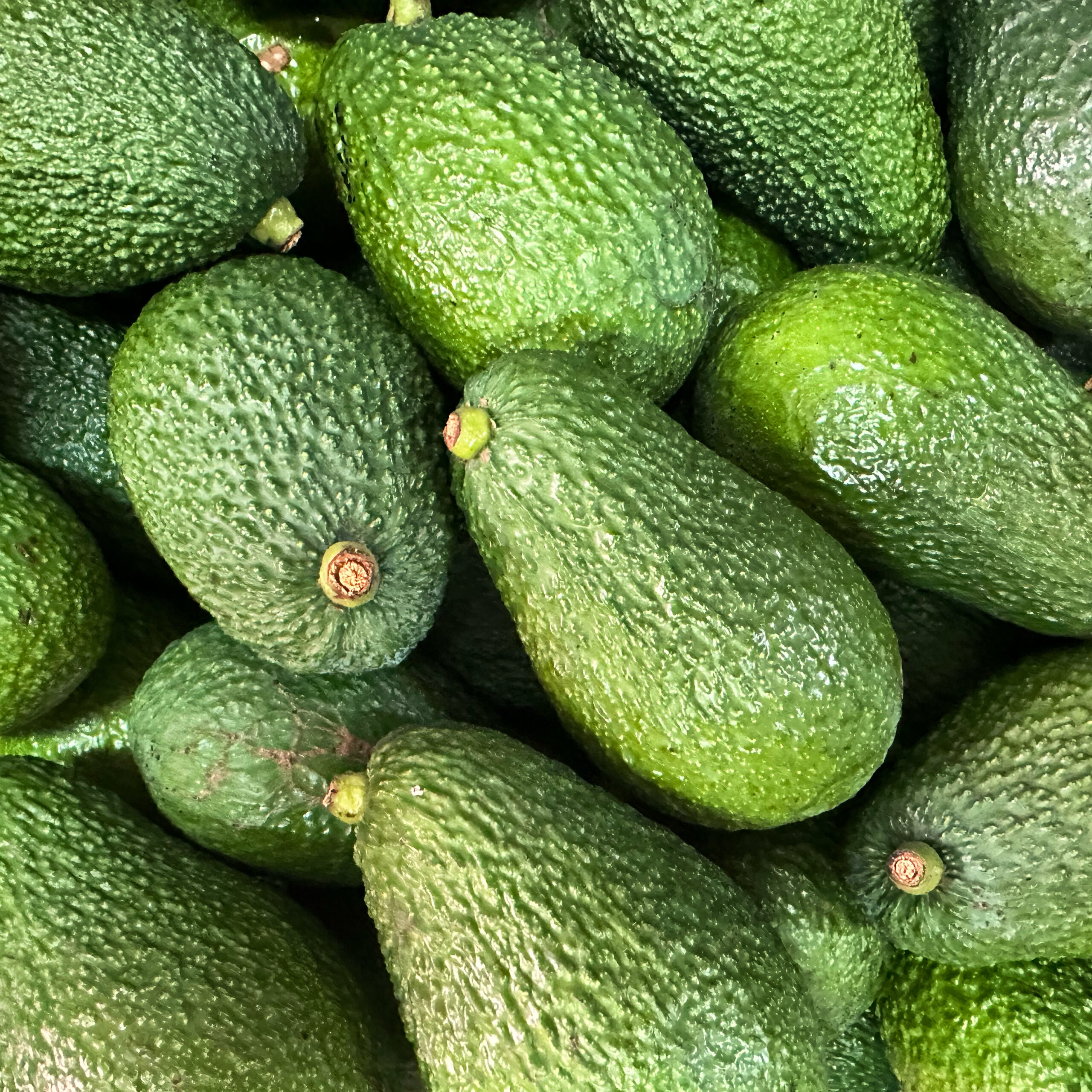
Fresh Avocados Hass/ Fuerte
Our Fresh Hass avocados are a popular, nutrient-dense fruit known for their thick bumpy skin, creamy texture, and rich nutty flavor.

Reviews
There are no reviews yet.